
Cruising looks simple from the outside. Pick a ship, pick a date, pick a destination.
What first-time cruisers often discover later is that small early decisions shape how the entire trip feels once they’re onboard. Most of the frustration people share after their first cruise isn’t about the weather or the destination — it’s about expectations that didn’t quite match reality.
Here are the five things new cruisers most often wish they had understood before booking, explained clearly and without sales pressure.
The Five Things First-Time Cruisers Miss Most
- Why cruise pricing is not as simple as the fare you see.
- Why your cabin location matters more than the cabin category.
- Why not all Alaska (or Caribbean) itineraries deliver the same experience.
- What “Free at Sea” actually covers—and what it doesn’t.
- Why port days often feel shorter than expected.
1. Why Cruise Pricing Is Not as Simple as the Fare You See

The headline fare is only part of the cost, and that’s where many first-time cruisers feel caught off guard.
Cruise pricing typically separates:
- The base fare.
- Taxes and port fees.
- Daily service charges (gratuities).
- Optional onboard packages like drinks, Wi-Fi, or specialty dining.
None of this is unusual in cruising, but it feels unusual if you expect the fare to represent the full experience. The key mistake DIY cruisers make is comparing fares instead of comparing total trip cost.
Two sailings with similar fares can feel very different once you add:
- Internet access.
- Beverage spending.
- Dining upgrades.
- Service charges.
Understanding this early doesn’t make cruising more expensive—it makes it more predictable.
2. Why Your Cabin Location Matters More Than the Cabin Category

First-time cruisers often focus on cabin type—inside, oceanview, balcony—and overlook cabin location. Location affects your day far more than square footage.
What location influences:
- Noise from public areas above or below.
- Motion, especially for guests sensitive to it.
- How far you walk, repeatedly, every single day.
- Elevator congestion during peak times.
Two cabins in the same category can deliver very different experiences depending on what surrounds them. That’s why experienced cruisers often talk about “good cabins” and “avoid cabins,” even within the same price band.
INSIDER TIP: Look up (and down). What you're above or below is critical to your peace and quiet.
This is one of the most common “I wish I’d known” realizations after a first cruise.
(Unfortunately, I can't do anything about your partner's snoring.)
3. Why Not All Alaska (or Caribbean) Itineraries Deliver the Same Experience

Ports listed on an itinerary tell only part of the story.
In Alaska, for example, two sailings may both include Juneau and Ketchikan, but differ dramatically in:
- Glacier access and viewing time.
- Port arrival and departure windows.
- Whether scenic cruising happens at optimal times.
- The balance between port days and sea days.
The same is true in the Caribbean, where the sequence of ports, sea-day spacing, and ship size can shape how relaxed or rushed the trip feels.
First-time cruisers often assume itineraries are interchangeable. They aren’t. The order, timing, and ship pairing matter just as much as the destination list.
4. What “Free at Sea” Actually Covers—and What It Doesn’t
This is one of the most misunderstood parts of cruising, and it’s where many first-time cruisers pause and say, “But Free at Sea isn’t really free.”
That’s partly true—and also where comparisons often break down.
The part that causes confusion
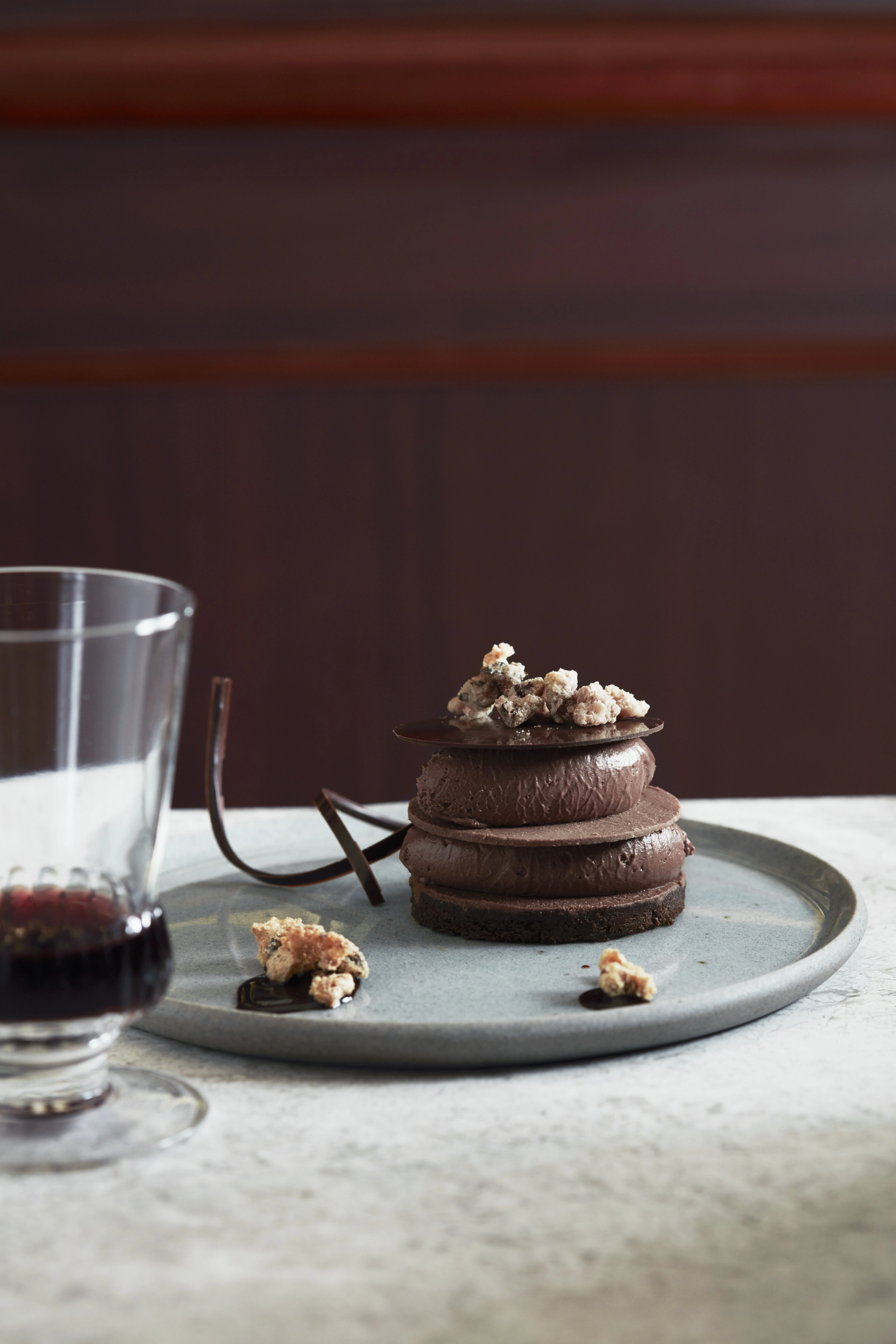
Free at Sea™ includes beverage packages, specialty dining, Wi-Fi minutes, and shore excursion credit. Service charges for the beverage package still apply.
Every major cruise line charges daily service charges. That part is not unique.
Where Free at Sea stands apart is how much of the onboard experience is bundled up front.
On many cruise lines:
- Unlimited drink packages are purchased separately, often at a high daily rate.
- Wi-Fi is tiered, capped, or priced per device.
- Specialty dining is mostly à la carte.
- Gratuities are added on top of everything.
When you compare total cost, not line items, Free at Sea consistently delivers one of the strongest value propositions in cruising.
Why Free at Sea Plus feels different onboard
Free at Sea Plus™ builds on that foundation by including things many travelers expect to pay for anyway:
- Unlimited streaming Wi-Fi.
- Prepaid daily service charges.
- Premium spirits and wines by the glass.
- Starbucks coffee and specialty drinks.
- Bottled water at bars and in restaurants.
For many guests, Internet access and service charges alone would have been added regardless. Once those are included, the premium beverages, Starbucks, and bottled water stop feeling like indulgences and start feeling like comfort.
That’s why guests sailing with Free at Sea Plus often describe their cruise as more relaxed. Fewer decisions. Fewer moments of hesitation. Fewer surprises.
5. Why Port Days Often Feel Shorter Than Expected
Port days look generous on paper. Eight hours sounds like plenty of time.
In practice, port days include:
- Clearing the ship.
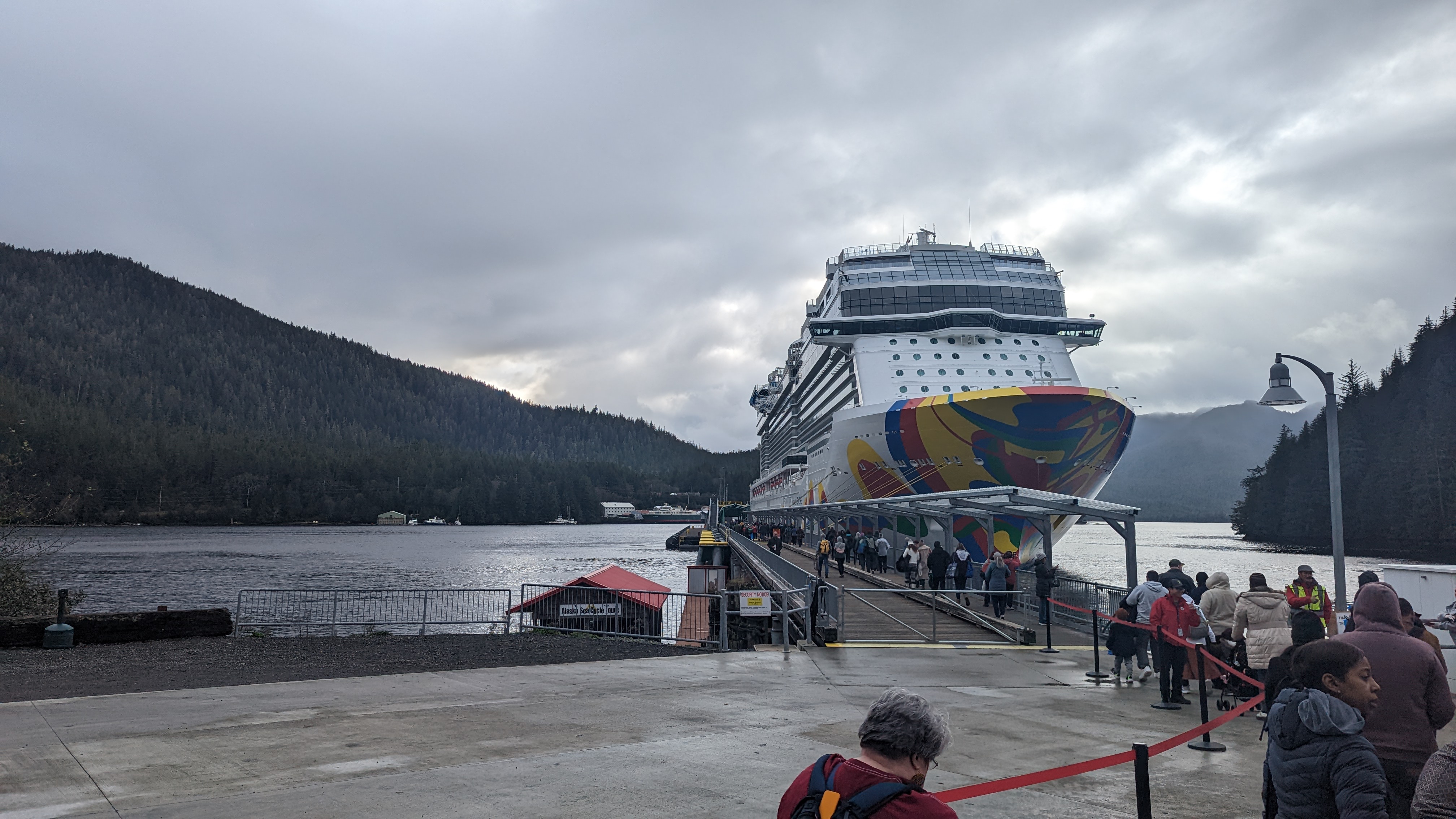
- Transportation time. (Especially noticeable in Ketchikan on the Norwegian Encore and Norwegian Bliss itineraries)
- Meeting excursion groups.
- Returning early enough to avoid stress.
By the time all of that is accounted for, the “free time” window can feel surprisingly small. First-time cruisers often try to pack too much into a single port day and come back exhausted.
The same concept applies to the cruise as a whole. Try not planning something in a port to allow some downtime and room for serendipity.
Experienced cruisers tend to:
- Pick fewer, more meaningful activities.
- Accept that not everything fits in one visit.
- Treat port days as highlights, not checklists.
That mindset shift alone can change how enjoyable the day feels.
The takeaway most first-time cruisers arrive at later
Cruising rewards clarity more than perfection.
When you understand how pricing works, why ship and cabin choices matter, and how onboard life actually unfolds, the experience feels smoother—not because the cruise changed, but because your expectations did.
That’s when cruising starts to feel the way people describe it afterward.
← Back to Cruise Basics & What to Expect or continue exploring, based on how you cruise